


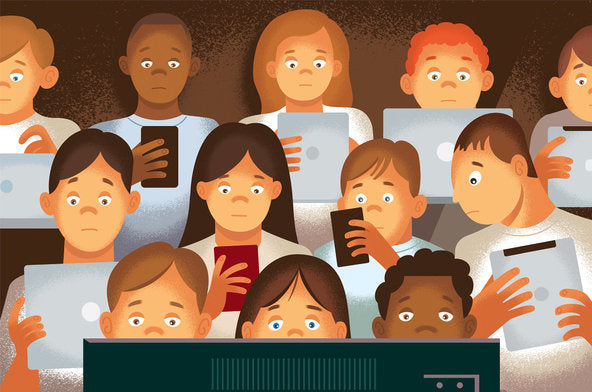
Modern Schooling Isn’t Working Like It Used To
- Attention is fragmented
- Anxiety is rising
- Screens are replacing real interaction
- Kids are more dependent—but less capable
"Since around 2012, educators have seen sharp increases in anxiety and declines in focus and attention." - Jonathan Haidt
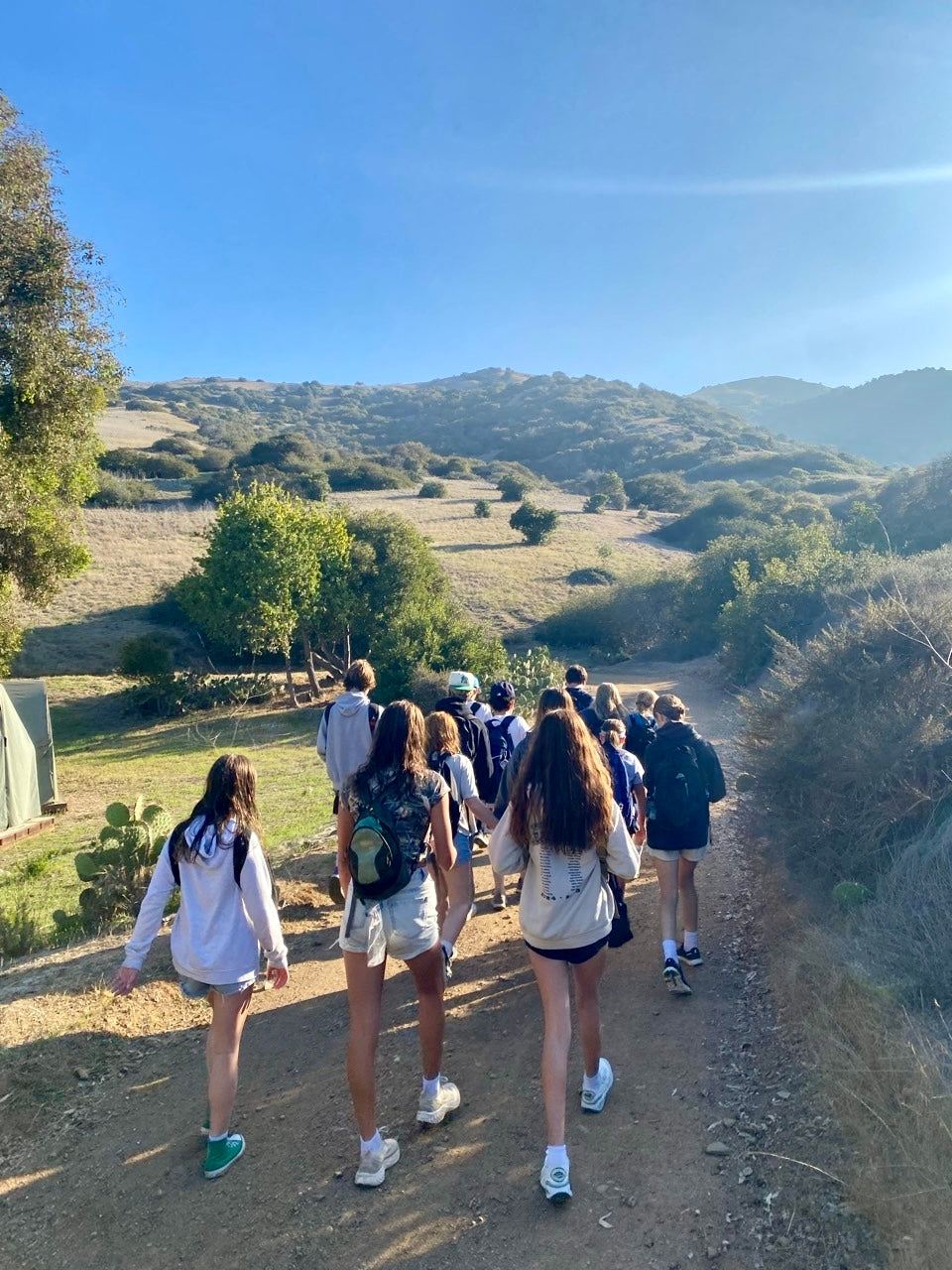
The Real Skill Gap: Executive Function
The most important skill today isn’t memorization—it’s the ability to:
- Focus
- Plan
- Start and finish work
- Manage time
- Think independently
- Communicate Effectively
Schools often remove the need for these skills instead of developing them.
Students who can think, plan, and stay focused will outperform those who simply "know more"
-
What a Week Actually Looks Like
- Monday-Thursday, Direct In-Person Instruction at a local church
- Small group learning where students are known
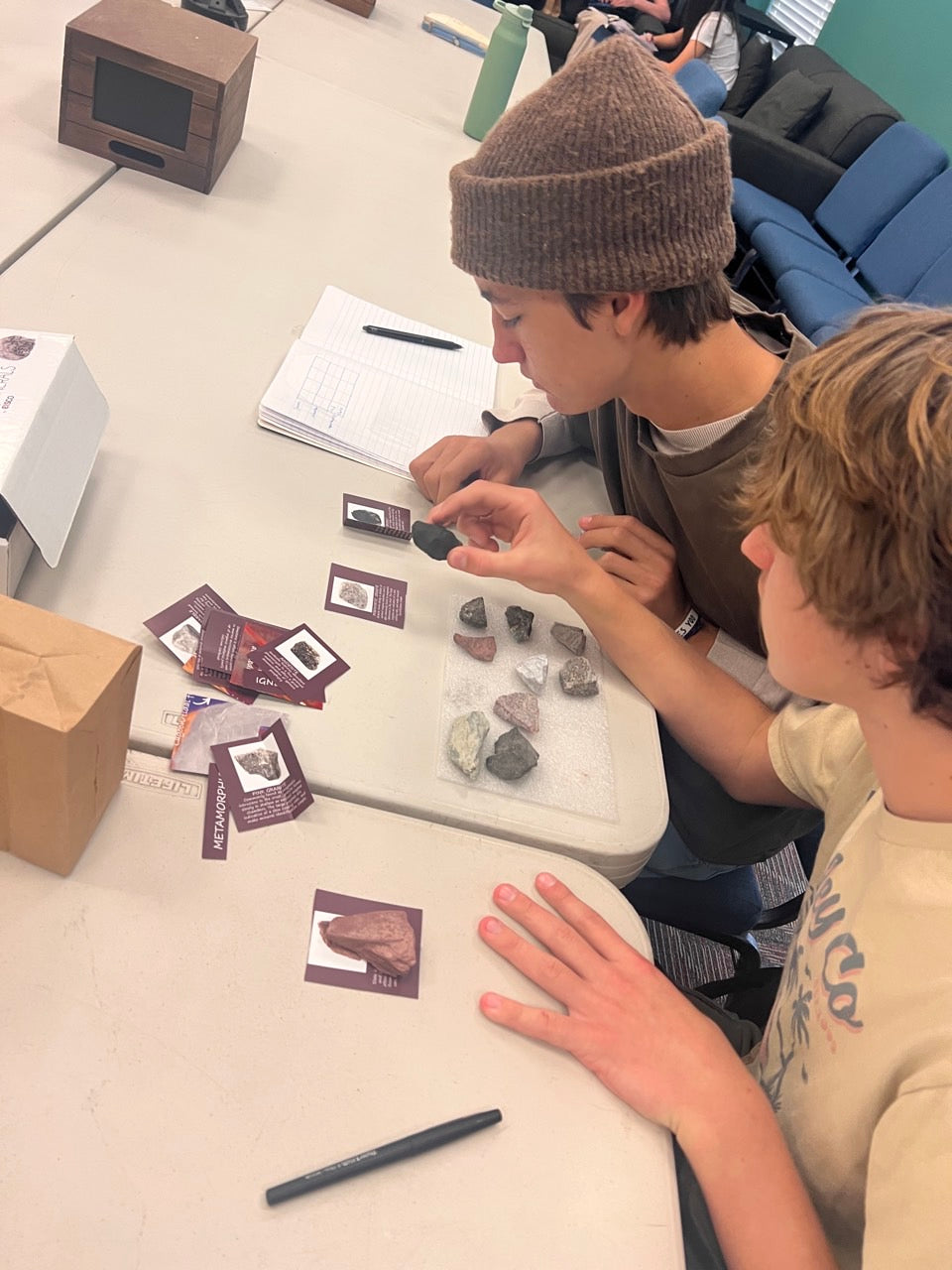
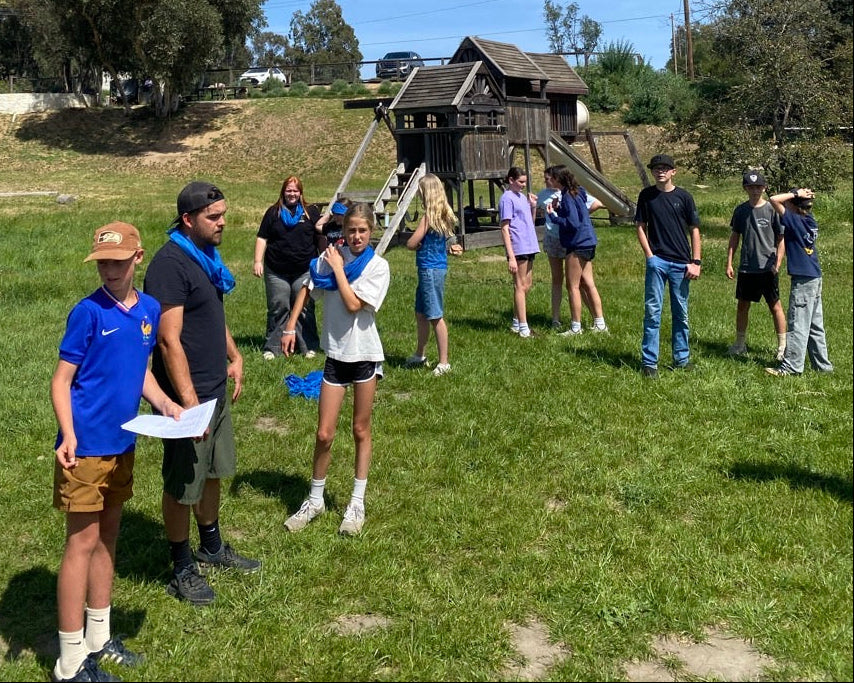
- Hands-on experiences & Project Based Learning
- Leadership + life skills
- Time to think deeply (not rushed bell schedules)
-
How We Teach Differently
- Teach how to learn, not just content
- Build executive function intentionally
- Encourage ownership and responsibility
- Blend structure + independence
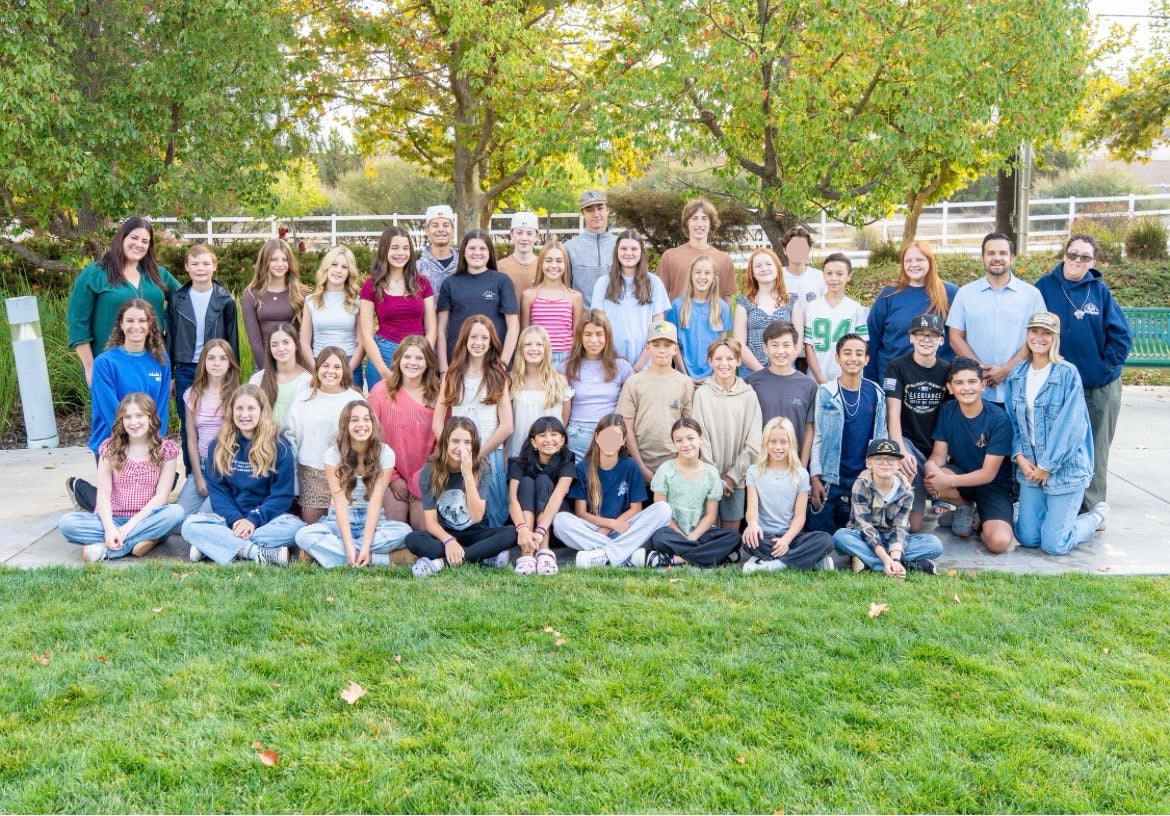
The Kind of Student We’re Developing
We’re developing students who carry a lifelong love of learning and the ability to think critically and solve real problems. They grow in confidence, take ownership of their work, carry intrinsic motivation, and learn to approach challenges with clarity and resilience. Above all, they are grounded in the Gospel and secure in God’s love, giving them a strong foundation for who they are and how they live.
World-Class Educators
-

Jen Youngquist
Jen is the Founder and Director of Temecula Learning Pods, where she teaches ELA and History and brings over 20 years of middle school experience, including developing published curriculum focused on executive function and independent learning. She has masters degrees in Curriculum and Education and Administrative Leadership.
-

David Casey
David is a former middle and high school STEAM teacher and department chair with a Master’s in Education, as well as an active entrepreneur, known for his leadership, hands-on teaching style, and passion for developing critical thinking and real-world problem-solving in students.
-

Maddy Hubbell
Maddy is an accredited educator with a background in Early Childhood Education who brings a fresh, relational, and hands-on approach to learning, helping students feel known, supported, and genuinely excited to learn.


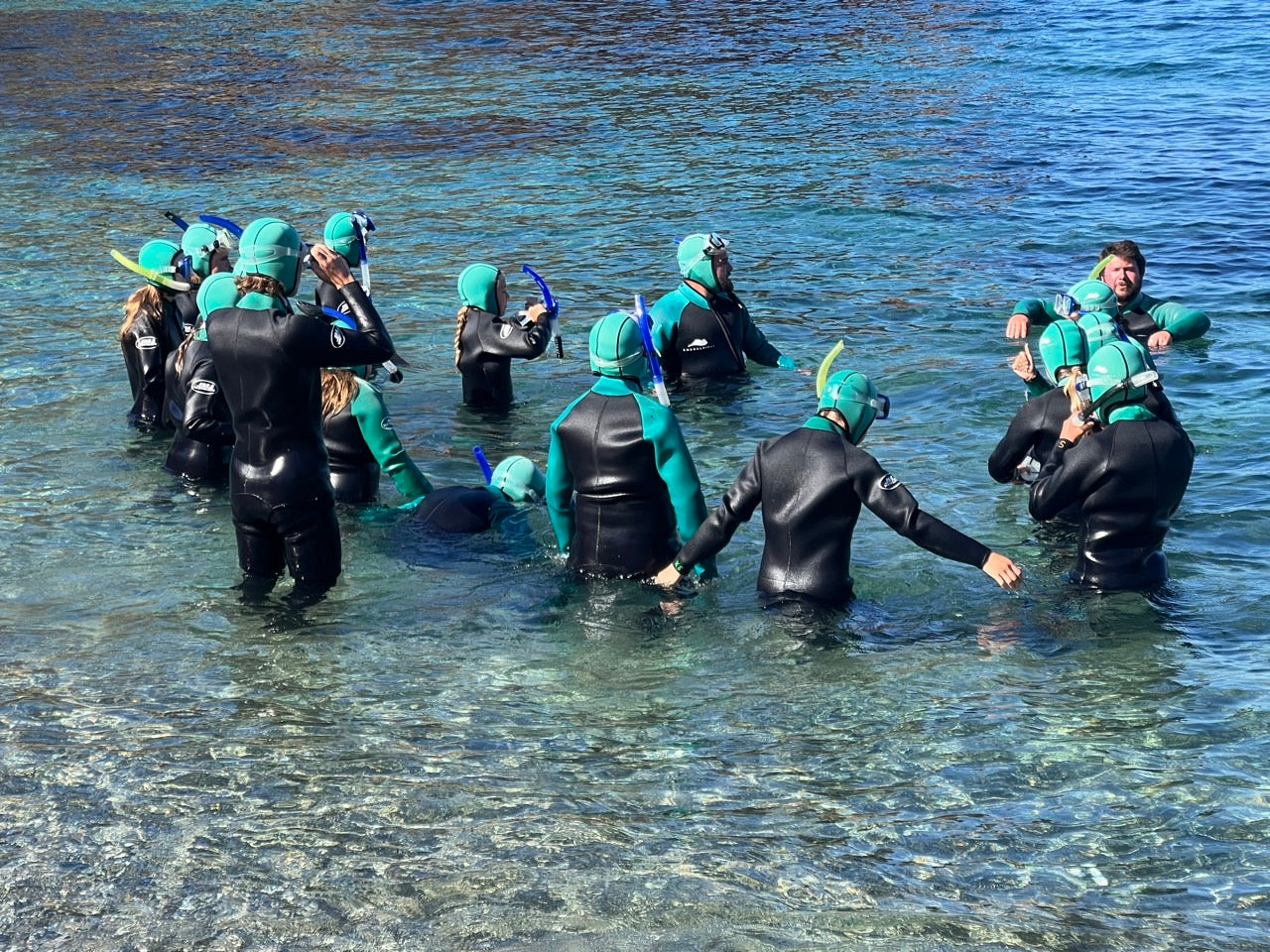
TLP Middle School
Frequently Asked Questions
Will my child be ready for High School and College?
Yes—your child will be ready for high school and well-prepared for college if that’s the path they choose. More importantly, we’re focused on equipping students with the skills that matter long after school—critical thinking, problem-solving, responsibility, and the ability to navigate real life with confidence. Whether they become a president or a plumber, these are the kinds of skills that will serve them well into adulthood and beyond.
Is this a school or homeschool?
We operate as a homeschool hybrid—every family files a homeschool affidavit, while students spend meaningful, structured time each week learning alongside peers with dedicated tutors. The result is the best of both worlds: the flexibility, personalization, and ownership of a homeschool education, combined with the relationships, accountability, and shared experiences of a traditional school. Students aren’t stuck in a system—they’re known, challenged, and supported in a way that brings out a genuine love of learning.
Do you follow California state standards?
We use California state standards as a guide, but we don’t follow them strictly. If alignment is important to your family, we’re happy to show you exactly what we’re covering and where you may want to supplement at home.
It’s also important to remember this is a ~20-hour per week in-person program, compared to 35+ hours in a traditional school—giving families an extra 15+ hours each week to invest intentionally, whether that’s doubling down on academics like math and science or pursuing passions like entrepreneurship, outdoor activities, or other interests.
What is the cost?
Tuition is $6,250 annually, broken into 10 monthly payments of $625. Optional electives such as leadership and P.E. are available and can be paid for using charter funds, giving families added flexibility to customize their student’s experience.
Do you accept charter funds?
No, we do not accept charter funds. This allows us to openly and authentically integrate faith into the learning environment, including teaching and talking about Jesus without restriction. That said, some of our families do participate in charter programs, and while our pods are not designed to fully align with state standards, much of what we cover will naturally overlap.
How do you handle technology and screens?
We believe technology is a powerful tool—but not something that should dominate a child’s life. Research from social psychologist Jonathan Haidt highlights how the rapid rise of smartphones and social media since the early 2010s has been closely linked to increased anxiety, depression, and social disconnection among adolescents.
Because of this, we maintain a strict no-phone policy on campus to protect focus, relationships, and real-world interaction. At the same time, we intentionally incorporate tools like Chromebooks in a limited, purposeful way—teaching students how to use technology wisely, responsibly, and as a tool, not a master.
Do you require vaccines?
No, we do not require vaccines. We believe in health freedom and respect each family’s right to make medical decisions for their children.